
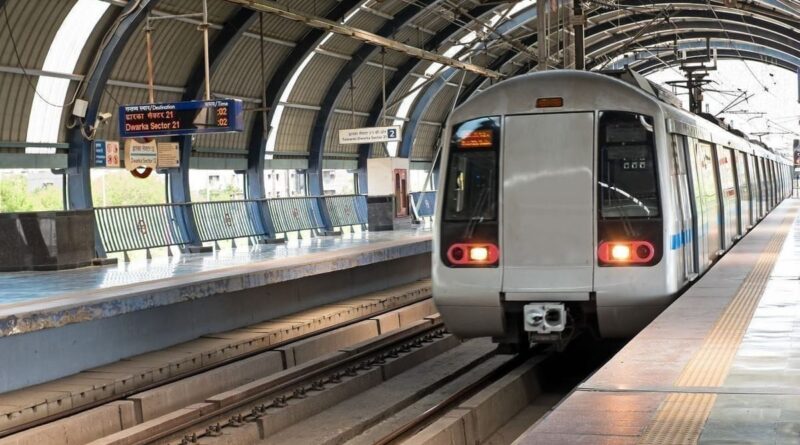
Delhi Metro Latest Updates 2026: Routes, Stations, Timings and Complete Travel Guide
The Delhi Metro is one of the most important public transport systems in Delhi-NCR, connecting Delhi with major parts of Noida, Ghaziabad, Gurugram, Faridabad and Bahadurgarh. Millions of passengers use the network every month for work, education, shopping and daily travel.
In 2026, the Metro network is continuing to expand through new corridors and Phase-IV projects. Here is a simple guide to the major Delhi Metro routes, important stations, interchange points, timings and new developments.
Delhi Metro Network in 2026
According to the latest DMRC operational network information, the Delhi Metro system operated by DMRC covers more than 374 km and 271 stations across its network. The wider Delhi-NCR Metro system also includes other connected networks such as Noida Metro and Rapid Metro.
The major Delhi Metro lines include:
- Red Line
- Yellow Line
- Blue Line
- Green Line
- Violet Line
- Pink Line
- Magenta Line
- Grey Line
- Airport Express Line
Major Delhi Metro Routes
Red Line
The Red Line connects Rithala with Shaheed Sthal (New Bus Adda) in Ghaziabad.
It is particularly useful for passengers travelling between North Delhi and Ghaziabad.
Yellow Line
The Yellow Line runs from Samaypur Badli to Millennium City Centre Gurugram.
Important stations include:
- Samaypur Badli
- Azadpur
- Kashmere Gate
- New Delhi
- Rajiv Chowk
- Hauz Khas
- HUDA City Centre
The Yellow Line is one of the busiest corridors in the Delhi Metro network. DMRC passenger data shows that it recorded more than 48 million passenger journeys in May 2026.
Blue Line
The Blue Line provides connectivity between Dwarka Sector 21 and Noida Electronic City, along with the Yamuna Bank–Vaishali branch.
Important stations include:
- Dwarka
- Rajouri Garden
- Rajiv Chowk
- Mandi House
- Anand Vihar
- Noida Sector 15
- Noida City Centre
- Noida Electronic City
Green Line
The Green Line connects areas including Inderlok/Kirti Nagar and Brigadier Hoshiar Singh in Bahadurgarh.
It provides an important connection between West Delhi and the Haryana side of NCR.
Violet Line
The Violet Line runs from Kashmere Gate to Raja Nahar Singh in Ballabhgarh.
It connects Central Delhi with parts of South Delhi, Faridabad and surrounding areas.
Pink Line
The Pink Line forms an important orbital connection through Delhi. Its operational route includes Majlis Park to Shiv Vihar.
The corridor provides connections to several major interchange stations and helps passengers avoid travelling through Central Delhi for some cross-city journeys.
Magenta Line
The Magenta Line currently connects Janakpuri West and Botanical Garden.
It provides an important link between West Delhi, South Delhi and Noida.
DMRC has also been expanding this corridor through Phase-IV projects.
Airport Express Line
The Airport Express Line connects New Delhi with Yashobhoomi Dwarka Sector 25, providing fast connectivity for passengers travelling to and from the airport area.
Important Delhi Metro Interchange Stations
Interchange stations allow passengers to change from one Metro line to another without leaving the Metro network.
Some important interchange stations include:
Rajiv Chowk
Connects the Blue and Yellow Lines and is one of the most important stations in Central Delhi.
Kashmere Gate
A major interchange serving multiple Metro corridors and an important transport point in North Delhi.
Mandi House
Provides interchange between the Blue and Violet Lines.
Hauz Khas
Connects the Yellow and Magenta Lines.
Anand Vihar
An important transport hub connecting Metro services with railway and other public transport options.
Delhi Metro Phase-IV Expansion
Delhi Metro’s Phase-IV expansion is expected to improve connectivity in several parts of Delhi.
Major approved corridors include:
- Majlis Park–Maujpur
- R.K. Ashram Marg–Indraprastha
- Lajpat Nagar–Saket G Block
- Tughlakabad–Kalindi Kunj
- Inderlok–Indraprastha
- Other approved extensions and corridors
DMRC’s official Phase-IV information lists multiple new corridors and stations that are planned or under development.
The expansion is expected to reduce travel times and provide better public transport options in areas that currently depend heavily on road transportation.
Delhi Metro Timings
Metro timings can vary by line, station and special circumstances.
DMRC also publishes revised last-train timings when required. For example, its official timetable updates show changes to the last services on certain corridors.
Passengers should therefore check the latest DMRC service update before travelling, particularly when travelling late at night or during major events.
Delhi Metro Security and Passenger Advisories
Passengers should also pay attention to special security announcements.
During periods of heightened security, additional checking may take place at Metro stations. DMRC has previously issued advisories warning passengers that additional screening could increase waiting time.
Passengers are advised to reach stations earlier when major public events or security arrangements are announced.
Tips for Travelling by Delhi Metro
Check Your Route Before Leaving
Identify your starting station, destination and interchange stations before beginning your journey.
Avoid Peak Hours When Possible
Metro stations can become extremely crowded during morning and evening office hours.
Keep Your Ticket or Metro Card Ready
Having your ticket, card or other required travel access ready can help reduce delays at entry and exit gates.
Follow Station Signs
Large Metro stations may have multiple platforms and exits. Always check the signs before changing platforms or leaving the station.
Allow Extra Time During Special Events
Large gatherings, festivals, demonstrations and major events can result in additional security checks and crowding.
Why Delhi Metro Is Important for NCR
Delhi Metro has become an important alternative to road transportation in the National Capital Region.
It helps commuters travel between Delhi and nearby cities while reducing dependence on private vehicles. The scale of passenger use is significant: DMRC recorded more than 181 million passenger journeys across its listed lines in May 2026 alone.
With further expansion planned, Metro connectivity is expected to become even more important for Delhi-NCR commuters.
Conclusion
The Delhi Metro network continues to expand in 2026, with new corridors and Phase-IV projects expected to improve connectivity across the capital.
For daily commuters, students, office workers and tourists, understanding the major Metro lines and interchange stations can make travelling around Delhi-NCR much easier.
Before starting a journey, passengers should always check the latest DMRC service updates, route information and security advisories, as timings and services can change during special situations.