
Jantar Mantar Protest: Supreme Court to Set Up High-Powered Panel — What Happened?
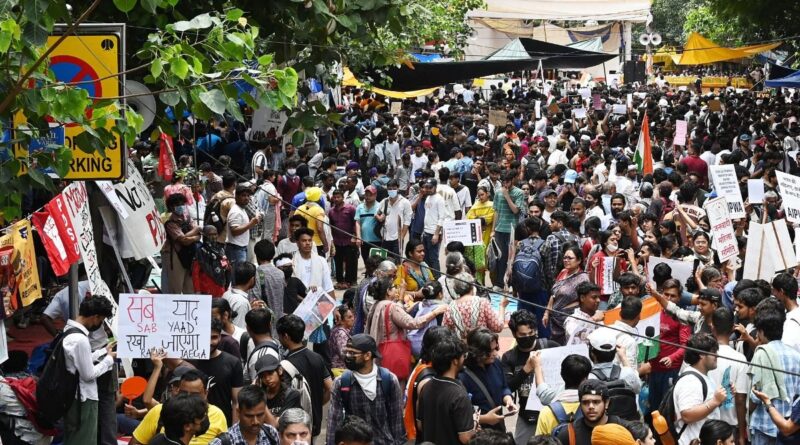
The Supreme Court has decided to constitute a high-powered committee to examine allegations of police excesses during recent student protests in Delhi, including the July 20 demonstration at Jantar Mantar and the subsequent march towards Parliament. The development has brought renewed attention to the protests, police action, FIRs against demonstrators and the broader debate over the right to protest.
What Happened at Jantar Mantar?
The protests were organised amid concerns surrounding examination-related issues and alleged paper leaks. On July 20, protesters attempted to march from Jantar Mantar towards Parliament.
The situation became tense as police tried to control the gathering. Delhi Police has maintained that the gathering became unlawful and that officers used only the minimum force necessary to manage the situation. Police also told the Supreme Court that more than 240 personnel were injured during the unrest.
Protesters and their representatives, however, have raised allegations of excessive force and other misconduct during the police action.
Why Has the Supreme Court Intervened?
The Supreme Court is now looking at the competing claims made by protesters and the police.
The proposed committee will examine allegations relating to police conduct as well as issues arising from violence during the protests. The panel is expected to include retired judges and senior former police officials, with the court seeking suggestions on its final composition.
The court’s intervention is significant because it provides an independent mechanism to examine what happened during the demonstrations.
What Did Delhi Police Tell the Supreme Court?
Delhi Police has rejected allegations that it deliberately used excessive force.
The police told the court that officers exercised maximum restraint while using the minimum force required to control the situation. It also argued that the protest was affected by the presence of people with criminal backgrounds and other anti-social elements.
The police also explained why some officers were deployed in civilian clothes, saying that it was part of its crowd-control strategy.
Concerns Over Facial Recognition Technology
Another issue that has emerged from the protests is the use of facial recognition technology.
Delhi Police told the Supreme Court that the technology used during the Jantar Mantar protest was intended to identify people with criminal records rather than target ordinary protesters. The explanation came amid wider questions about privacy and the use of surveillance technology during public demonstrations.
The issue could become an important part of the committee’s examination.
What About FIRs Against Students?
The Supreme Court has also considered the impact of FIRs filed against student protesters.
The court has indicated that it may use its constitutional powers under Article 142 to quash certain FIRs involving students. However, people accused of serious offences or those with grave criminal records may not receive the same relief.
This could provide relief to students who are worried that protest-related cases could affect their education or future employment.
Why the Case Is Important
The Jantar Mantar controversy has raised a larger question: How should authorities balance the right to peaceful protest with public order and security?
Protests are an important part of democratic participation, but authorities also have a responsibility to protect public safety and prevent violence.
The Supreme Court’s proposed committee could therefore provide important findings about both sides of the dispute.
What Happens Next?
The Supreme Court is expected to formally constitute the committee after considering suggestions regarding its members. The panel will then examine the allegations and material related to the protests.
The court has also been considering broader issues concerning designated protest locations and the impact of demonstrations on essential services and the public.
The findings could influence how similar protests are handled in Delhi in the future.
Conclusion
The Supreme Court’s decision to establish a high-powered panel marks an important development in the ongoing Jantar Mantar protest controversy.
While Delhi Police has defended its actions and denied allegations of excessive force, protesters have raised serious concerns about their treatment. The committee’s examination is expected to help establish what happened during the demonstrations and whether any official action crossed legal or constitutional limits.
For students and other protesters facing FIRs, the court’s next decisions could also have an important impact on their future.
Source: Reports from the Supreme Court proceedings and multiple news reports published on August 18, 2026.