
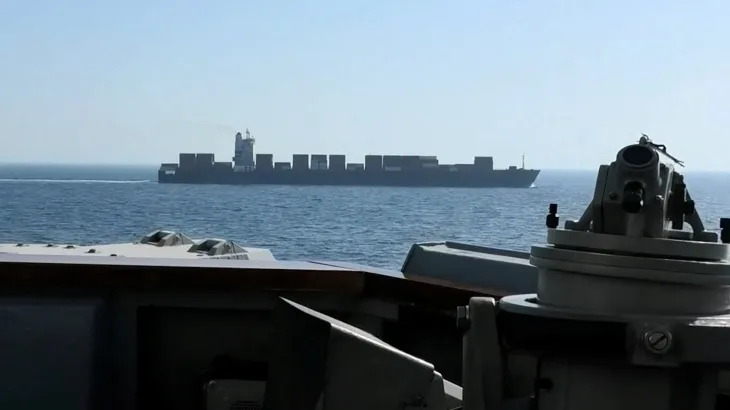
Iran Accuses U.S. of Ceasefire Breach, Vows to Respond After Destroyer Hits Cargo Ship
Tensions between Iran and the United States have escalated sharply after a major naval incident in the Strait of Hormuz. Iran has accused the U.S. of violating a ceasefire agreement and warned that it will “soon respond” following an attack on an Iranian cargo ship.
This latest development has raised global concerns about geopolitical stability, international trade, and the potential impact on oil markets.
What Happened?
According to recent reports, a U.S. Navy destroyer intercepted an Iranian-flagged cargo vessel attempting to cross a restricted maritime zone. The situation quickly escalated, and the ship was reportedly hit and disabled during the confrontation.
Following the incident, U.S. forces boarded the vessel, further intensifying tensions between the two nations.
Iran’s Response
Iran has strongly condemned the action, calling it a clear violation of the ceasefire and labeling it as an act of aggression. Officials have warned of a response in the near future, signaling the possibility of further escalation.
Tehran has also suggested that such actions could impact ongoing diplomatic efforts and peace negotiations.
Why This Situation Matters
The Strait of Hormuz is one of the most critical oil transit routes in the world. Any disruption in this region can directly affect global oil supply and prices.
Key concerns include:
- Rising oil price volatility
- Increased risk for shipping routes
- Potential disruption in global trade
This incident comes at a time when global markets are already sensitive to geopolitical instability.
Impact on Global Markets
The situation has already started influencing global markets:
- Oil prices may rise due to supply concerns
- Shipping and logistics companies face uncertainty
- Investors are closely monitoring geopolitical developments
Any further escalation could have a wider economic impact.
Role of Smart Monitoring in High-Risk Environments
Incidents like these highlight the importance of real-time monitoring and accurate data tracking in critical sectors such as shipping, logistics, and sensitive cargo transportation. Advanced solutions like TechmedSmartSense temperature monitoring systems in Delhi help organizations monitor conditions, receive instant alerts, and maintain safety standards.
From cold chain logistics to healthcare and laboratory environments, data logger solutions by Techmed SmartSense ensure reliability, compliance, and operational efficiency—making them essential in today’s technology-driven industries.
What Happens Next?
With Iran warning of retaliation and the U.S. maintaining its position, the situation remains uncertain. Diplomatic efforts may continue, but the risk of escalation remains high.
Global leaders are closely watching developments as the situation unfolds.
Conclusion
The latest clash between Iran and the United States highlights how fragile ceasefire agreements can be. As tensions rise, the global community faces uncertainty in trade, energy supply, and political stability.
At the same time, the situation underscores the growing importance of technology and monitoring systems in managing risks across industries. Staying informed and prepared is key in such rapidly changing global scenarios.